Coffee in a Can, Slippers at the Door: What Your Nose Knows Inside a Kita-Kanto Honda Showroom
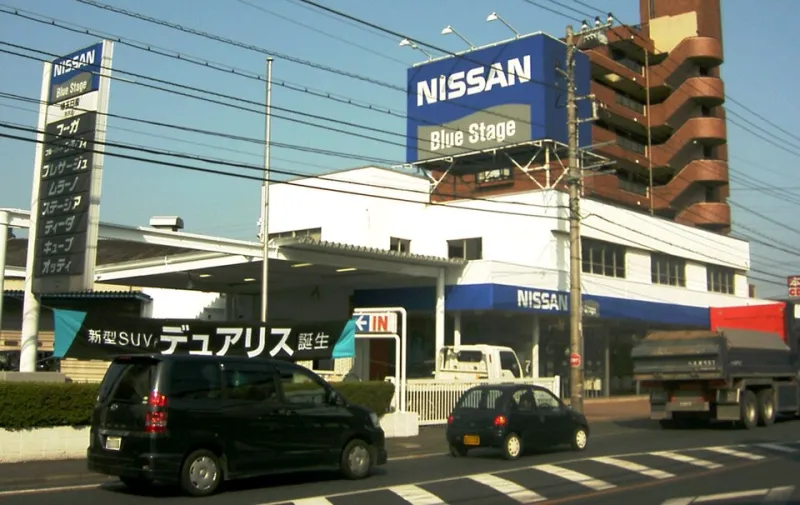
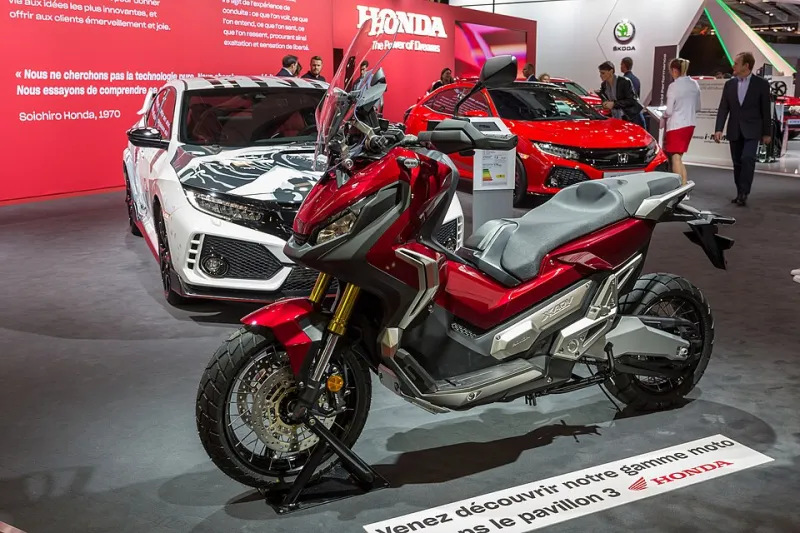
Photo: S-8500, CC BY-SA 3.0, via Wikimedia Commons
I've walked into a lot of car dealerships in my life. Back home in Ohio, the routine is familiar: a big glass front, a salesman named Doug, a smell that's equal parts new-car leather and burnt drip coffee, and a TV playing the game in the waiting area. It's fine. It works. It's forgettable.
Then I moved to Gunma, and my first visit to a local Honda dealership rearranged my assumptions about what a showroom is supposed to feel like. Not look like — feel like. Because honestly, the eyes are the least interesting part of the experience.
First Contact: The Automatic Door and the Smell of Nothing Burning
American dealerships have a smell. It's the off-gassing of a thousand vinyl interiors, the tire shine, the industrial carpet. It's a smell that says transactions happen here.
A Kita-Kanto Honda dealer smells different, and I mean that literally. The air is cooler, drier, and faintly sweet — a mix of polished concrete, the subtle floral air freshener near the reception counter, and, depending on the season, the faintest whisper of kerosene from the heating system that keeps the place comfortable through Gunma winters. There's no aggressive air freshener trying to mask something. The place is just... clean, the way a well-kept Japanese home is clean.
The staff will greet you with a chorus of irasshaimase the moment the door slides open, but nobody rushes at you. There's a rhythm to it — acknowledgment first, assistance only when you signal you want it. Coming from a culture where a salesperson can be walking beside you before you've found a parking spot, the breathing room feels almost radical.
The Vending Machine Coffee Ritual
About two minutes into any visit, someone will gesture toward the corner and ask if you'd like a drink. And here's where the experience diverges hard from anything in the States.
There's no Keurig. No sad office coffee pot with a film on the burner. There's a vending machine — often a sleek one stocked with canned Boss or Georgia coffee, green tea, and an entire wall of options I still can't confidently identify — and the can it dispenses will be cold or hot exactly as advertised, every single time.
The first time a salesperson handed me a warm can of milk tea in winter, wrapped in a paper sleeve because the can was too hot to hold, I nearly laughed. It felt like being served at a tiny bar. And the thing is, this isn't luxury. It's standard. The vending machine corner is as much a part of the dealership as the N-BOX on the turntable out front.
Slippers, Tatami, and the Customer Lounge
Now we get to the part that catches most American visitors completely off guard: you will be asked to take off your shoes.
Many regional dealerships — especially the smaller, family-run ones scattered through Tochigi, Saitama, and Gunma — have customer lounges with tatami flooring. Before you step onto it, you'll slide off your shoes and into a pair of plastic or fabric slippers kept in a neat rack by the entrance. Yes, there are slippers sized for big American feet, usually the larger pairs placed at the end of the row, a quiet accommodation the staff never mentions out loud but always seems to have ready.
Sitting cross-legged or kneeling on a cushion at a low table, flipping through a binder of dealer options while a space heater hums somewhere nearby, you start to understand something. This isn't a waiting room. It's a living room you've been invited into. The negotiation, the test drive scheduling, the paperwork — all of it happens in a space that treats you like a guest rather than a lead.
The Dealer Option Aisle: A Candy Store for Gearheads
If the lounge is the living room, the accessories aisle is the toy chest. Japanese dealerships stock an almost overwhelming range of dealer options: floor mats cut precisely for the N-WGN, mud flaps for kei trucks, door visors, window films, navigation units, and endless little convenience gadgets that never made it to the US catalog.
I once spent twenty minutes examining a display of snow-rated wiper blades and heated mirror kits — the kind of stuff that's invisible in Georgia but practically mandatory in the Kita-Kanto hills. The packaging alone is a masterclass: dense with diagrams, every part number cross-referenced, everything sized for the exact model on the floor beside it.
For anyone importing a Honda from this region, this aisle is worth understanding. A surprising number of the used vehicles that cross the Pacific arrive with dealer-installed options already bolted on — the visors, the mats, the nudge bars. When you see a listing photo with accessories you can't quite place, odds are good they came from a rack exactly like this one.
The Sound of a Quiet Sell
One more sense deserves a mention: sound. American showrooms have a soundtrack — a playlist, a jingle, a sales floor that hums with activity. Here, the dominant sounds are the soft chime of the door, the murmur of a phone call at the desk, the mechanical whir of the turntable rotating a Fit so a customer can see its quarter panels without walking.
The turntable, by the way, is real and delightful. Watching a salesperson casually spin a car like it's on a cake stand never stops being charming, and it's oddly practical — space in Kita-Kanto showrooms is tight, and turning the car beats making the customer squeeze between bumpers.
Why Any of This Matters to a US Buyer
If you're reading this from a living room in Denver or Atlanta, weighing whether to import a used Honda from the Kita-Kanto region, the sensory details might seem like trivia. They're not. They're a window into how these vehicles were sold, serviced, and cared for.
A dealership that asks customers to remove their shoes in the lounge is a dealership that extends the same respect to the cars — and to the paperwork documenting every oil change. The culture you'd experience as a walk-in customer is the same culture that produced the maintenance records stapled to the listing you're eyeing.
So the next time you scroll through listings and wonder what the seller is like, picture the vending machine, the slippers in the rack, and the turntable slowly spinning. That's the room your next Honda came from. It smells like polish, green tea, and quiet competence — and once you've been in one, no showroom back home quite measures up.