Boxy, Tiny, and Everywhere on Instagram: How Honda Kei Vans Won Over America's Camper Crowd
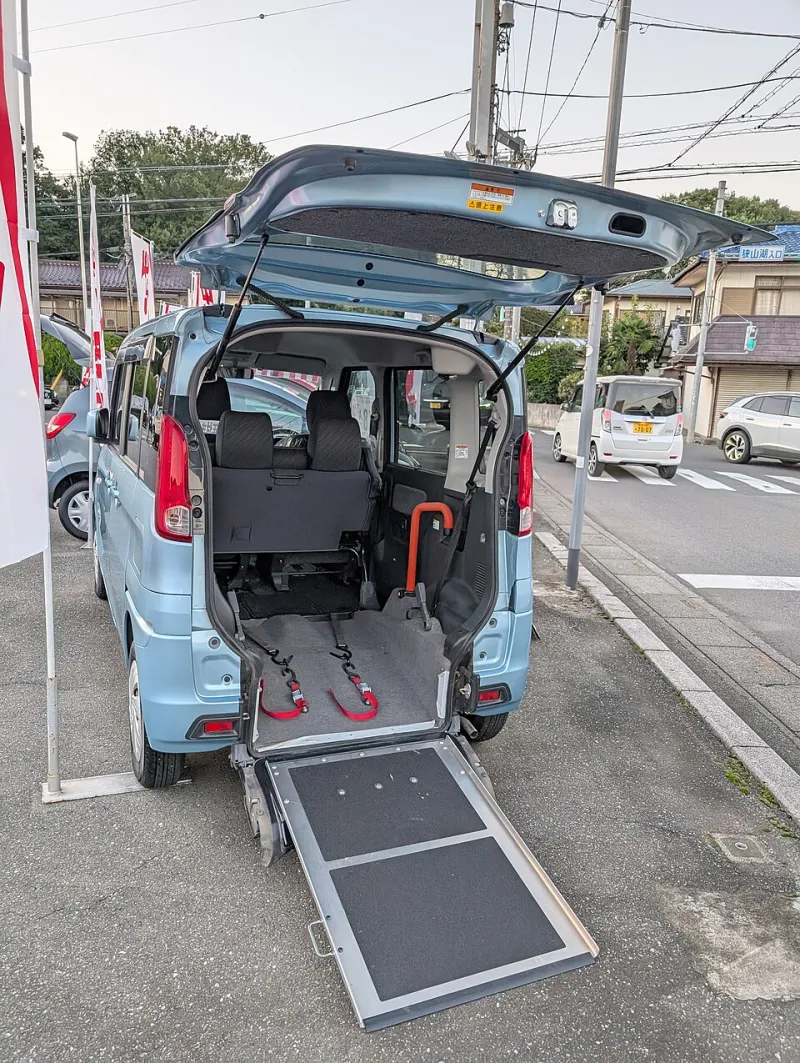
Photo: Syced, CC0, via Wikimedia Commons
Scroll through van life hashtags long enough and you'll notice something odd happening. Sandwiched between the lifted Sprinter conversions and the $200,000 EarthRoamers are squat little boxes that look like they were beamed in from a Tokyo suburb. Sliding doors. Tiny wheels pushed to the corners. A 660cc engine that wouldn't pull a stump.
They're Honda kei vans — mostly the Vamos and the That's — and thanks to the 25-year import rule, they've become the unofficial mascots of America's micro-camper movement.
From Farm Truck to Forest Road
The Vamos started life in Japan as a utilitarian work van, the kind of thing you'd see delivering flowers in Takasaki or hauling feed up a Gunma valley road. That's exactly why campers love it. The boxy body means there's almost no wheel well intrusion, the flat floor runs door to door, and the rear seats fold completely flat — or come out entirely with four bolts and a free afternoon.
"I saw one at an Overland Expo and thought it was a joke," says Marcus T., who imported a 1998 Vamos to Colorado two years ago. "Then I slept in one. Full-length platform, insulation, a 12-volt fridge, and it still fits in a standard parking spot. My buddy's Trans Am camper cost forty grand more and gets a third of the mileage."
That's the pitch, really. A clean, imported Vamos might land in the $8,000–$14,000 range after shipping and fees — before conversion. Compare that to the going rate for anything with the word "camper" on the title in the US market and the math starts making its own argument.
The Instagram Effect
Credit where it's due: the aesthetic did a lot of the heavy lifting. There's something inherently photogenic about a tiny van parked at the edge of a Utah slot canyon, sliding door open, camp stove hissing. Kei vans photograph like they were designed by a Pixar art department — friendly, proportioned, slightly absurd next to American trucks.
Social media turned that visual appeal into demand. Dealers in the Pacific Northwest and Southeast now specialize in kei imports, and vans that sat unnoticed at Japanese auctions five years ago move within days of landing stateside. The That's, Honda's taller, more van-like sibling, has become especially popular with converters who want standing room — or close to it.
What to Check Before You Buy a Half-Converted Van
Here's where the enthusiasm meets reality. A converted kei van isn't just a van; it's a van plus someone else's weekend project, and you inherit every shortcut they took. If you're shopping for one that's already built out, run through this list:
- Electrical work. The biggest red flag. Ask where the aux battery connects, whether there's a fuse block or just inline splices, and whether the wiring is marine-grade or hardware-store special. Inverter installs done badly are a fire risk, full stop.
- Floor penetration and rust. Conversion floors get drilled. Lift the flooring panels and look for unsealed holes — moisture gets in, and kei van floors are where rust shows up first, especially on vans that spent winters on Japanese roads treated with salt.
- Weight creep. A 660cc engine has a ceiling. Solar panels, batteries, water tanks — it adds up fast. Ask what the van weighed before and after conversion, and be honest about whether a loaded rig up a mountain pass sounds fun or terrifying.
- Documentation. The van should have clean import paperwork, a title or registration in your state, and ideally auction records from Japan. Vans with murky histories are harder to insure and harder to sell later.
- Heat and insulation. Many budget conversions skip insulation entirely. Pop a panel and check whether there's actually anything between the sheet metal and the carpet.
The Kita-Kanto Connection
A lot of these vans come from exactly the region we know best. Gunma, Tochigi, Saitama, and Ibaraki are Honda heartland — and because the area sees real snow, many local Vamos and That's vans were optioned with 4WD, which is precisely the configuration American campers hunt for. A 4WD kei van from Kita-Kanto is arguably the sweet spot of the whole import scene: capable in slush, cheap to run, small enough for forest service roads that would eat a Sprinter alive.
The flip side is that snow-region vans may show more underbody corrosion, so a proper inspection matters even more. This is exactly why we photograph and document every used vehicle we list — the Japanese inspection culture means a Kita-Kanto Honda arrives with a paper trail most American used vans can't match.
Small Van, Full Life
Nobody's claiming a kei van replaces a full-size rig. You're not crossing the country in one — at least not comfortably. But for weekend trips, trailhead duty, farmers market hauling, and the growing tribe of people who want adventure on a modest budget, the little Honda box has carved out something real.
It's the same story we keep seeing: America discovers that the vehicles Japan built for practical reasons turn out to be, almost accidentally, exactly what a certain kind of driver was looking for. The Vamos was never designed to be a dream machine. It just turned out to be one anyway.
Thinking about importing one? Browse our current used listings or reach out — we'll walk you through what's on the lot, what's coming up at auction, and what a van will actually cost once it's in your driveway.