Bows, Barley Tea, and a Shrine to Soichiro: My First Hour Inside a Kita-Kanto Honda Dealership
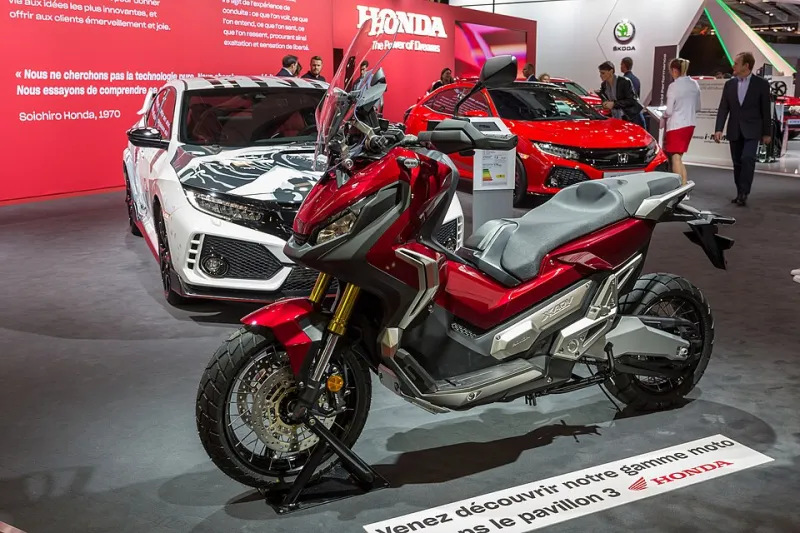
Photo: Matti Blume, CC BY-SA 4.0, via Wikimedia Commons
I've bought enough cars in the US to have the routine down pat: push through the glass doors, dodge the first salesperson who pounces, decline the extended warranty pitch twice, and escape with a brochure. So when I pushed open the door of a Honda dealership outside Takasaki, in Gunma Prefecture, I was braced for battle.
Instead, a man in a crisp uniform bowed at me. Then a woman did. Then somebody handed me a cup of cold barley tea — mugicha — before I'd said a single word about engines.
If you're considering importing a Honda from the Kita-Kanto region (Gunma, Tochigi, Saitama, Ibaraki — the heartland where a lot of them are built and traded), understanding what happens inside that showroom isn't just a fun travel anecdote. It's the key to why remote buying here feels so different from back home.
The Greeting Isn't a Sales Tactic. It's Just Tuesday.
The first thing that threw me was the sheer formality of being welcomed. In America, the greeting at a dealership often signals the opening move of a negotiation. In Japan, it signals hospitality, full stop.
The "irasshaimase" you hear as you walk in isn't an invitation to spar. Nobody's going to shadow you around the lot. I stood by a white N-BOX for a solid ten minutes before anyone approached, and when they did, it was to ask — politely, in slow Japanese — if I'd like to sit down. Sit down! At a dealership!
There's a small table with a kettle, and the tea keeps coming. Decline once and it will be gently insisted upon. This isn't upselling. It's omotenashi — the Japanese concept of anticipating a guest's needs before they voice them. Once you stop reading hospitality as a sales angle, the whole experience unclenches your shoulders.
Plastic on the Seats, Plastic on the Wheel, Not a Speck of Dust
Every car on the floor — every single one — looked like it had just rolled off the line. Steering wheels shrink-wrapped in protective film. Seat covers crisp and creaseless. Floor mats you could eat off.
In the US, we sort of accept that a demo car has been sat in, driven hard, and coffee-spilled in by 400 people before us. In Kita-Kanto showrooms, the presentation is part of the respect shown to both the product and the customer. A car on display is treated like it's already someone's prized possession.
It also tells you something practical: this is a culture where condition and care are the baseline, not the exception. When you later buy one of these vehicles remotely and the auction sheet says the interior is clean — it actually means clean by local standards, which is a high bar.
Yes, There's a Shrine to Soichiro Honda
Okay, "shrine" might be strong. But tucked into the corner of the showroom was a display honoring Soichiro Honda — the company's founder, a tinkerer and racer from rural Shizuoka who built an empire on the belief that engineering should serve ordinary people.
Old photographs, a racing engine, plaques. It's presented with a sincerity that has no real American equivalent. The closest thing we have is a Ford dealership with a vintage Model A in the lobby, and even that feels more like set dressing than devotion.
Standing there, you realize the staff aren't moving metal. They're custodians of a story. That mindset carries through to how they document a car's history, how they handle service records, and how they treat a 25-year-old Acty with the same courtesy as a brand-new Legend.
The Test Drive Will Include Your Whole Life Story
Sit down to talk numbers — or even just to kick tires — and expect a longer conversation than you'd get at a strip-mall dealership in Ohio. Paperwork gets photocopied. Questions get asked that feel surprisingly personal to American ears: What do you use the car for? Who else drives it? How long do you plan to keep it?
It's not nosiness. It's matchmaking. The goal is to put you in the right vehicle, not the highest-margin one. My salesperson visibly winced when I suggested a model that was, in his view, too much car for my stated needs — and steered me toward something cheaper.
When's the last time that happened to you at home?
Why This Matters If You're Buying From Your Couch in Kansas
Here's the practical payoff. A lot of Americans buying Kita-Kanto Hondas never set foot in the showroom — they buy remotely, through export agents or directly through dealers like us. And the remote process can feel opaque precisely because the in-person process is so relationship-driven.
Once you understand that a Japanese dealership interaction is built on patience, documentation, and genuine care — not pressure — the remote version makes sense. The meticulous photos, the translated auction sheets, the follow-up emails asking if you have questions about the undercarriage: that's the same omotenashi, just over email.
A Few Tips If You Visit in Person
- Bring your shoes' A-game. You may be asked to remove them before sitting in a display car or entering a lounge area.
- Accept the tea. It costs nothing and signals goodwill. Mugicha is delicious, for the record.
- Don't expect haggling. Prices are posted, firm, and honest. The negotiation dance simply doesn't exist the way it does stateside.
- Bow back, a little. You'll get the depth wrong. Nobody cares. The gesture lands.
- Take your time. Lingering is normal. Nobody hovers. Nobody pounces.
The Takeaway
I walked into that Gunma showroom expecting the familiar low-grade anxiety of American car buying, and walked out forty minutes later slightly caffeinated, deeply relaxed, and genuinely charmed. No pressure. No fine print ambush. Just tea, plastic-wrapped steering wheels, and a quiet pride in the machines on the floor.
If you ever find yourself in Kita-Kanto — or you're buying from afar and wondering what kind of operation is on the other end of your wire transfer — that's the culture behind every listing. It's not a sales floor. It's a front porch, Japanese style.
And honestly? The barley tea alone is worth the trip.