Drive-Thru Regret and Other RHD Realities: What Importing a Honda Actually Feels Like
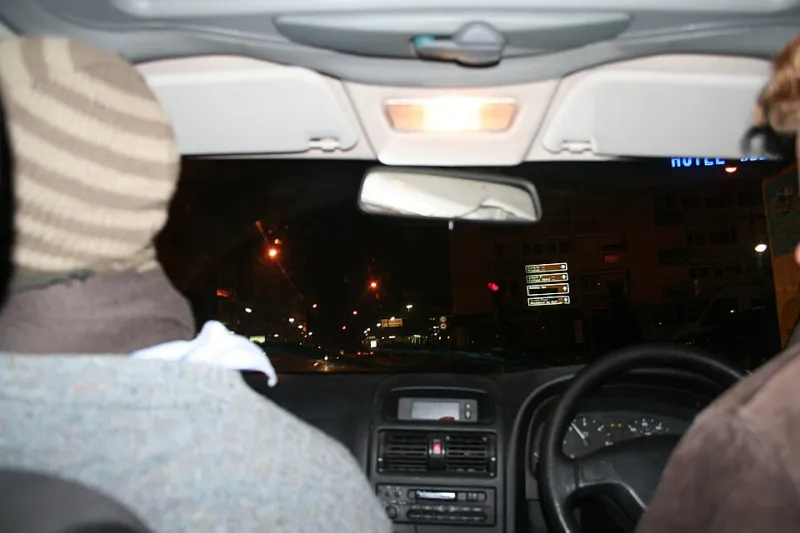
Photo: EuroTripPhotos, CC BY-SA 3.0, via Wikimedia Commons
There's a moment every right-hand-drive import owner remembers. Maybe it's the first time you paid a highway toll and had to lean across the cabin to grab the ticket. Maybe it's a drive-thru, when the barista at the window stares at you like you've beamed in from another dimension. For Americans living with a JDM Honda, that moment comes early — and it never fully stops being funny.
We reached out to several owners of imported Kita-Kanto Hondas — an Acty, an N-BOX, and a Beat, spread across Ohio, Colorado, and Georgia — to hear what the daily grind is actually like once the honeymoon glow wears off.
The Honeymoon Phase Is Real
"For the first month, every errand felt like an event," says Marcus, who imported a 1998 Honda Beat through a Kita-Kanto dealer two years ago. "People at red lights roll down their windows. Kids in parking lots point. You become the most interesting car in a five-mile radius."
That attention is a genuine part of the appeal. JDM Hondas — especially kei vehicles like the Acty or N-BOX — simply don't exist in the American landscape, and the right-hand-drive layout is the exclamation point on top. But charm doesn't merge onto a highway.
The Friction Nobody Puts in the Listing
Ask owners about daily annoyances and the answers come fast.
Drive-thrus and tolls. Nearly universal complaint. Some owners simply park and walk inside; one Acty owner in Colorado keeps a grabber tool in the passenger footwell for toll booths. "It's a lifestyle accessory now," he laughs.
Passing on two-lane roads. Sitting on the wrong side means your view of oncoming traffic is blocked by your own car. Owners in rural areas say they adapt — hugging the centerline, using passengers as spotters — but nobody calls it comfortable. "You learn patience," Marcus says. "You pass when you'd pass in a big rig."
Parking and mailboxes. Parallel parking actually gets easier in some ways, since the driver sits on the curb side. But drive-up ATMs, parking garage ticket machines, and yes, rural mailboxes all assume a left-hand driver. One owner in Georgia has a standing agreement with the neighbor: he just pulls up on the wrong side of her mailbox and she thinks it's hilarious.
Blind spots and mirrors. The passenger-side mirror becomes your primary mirror, and it sits farther away. After a week or two, most owners say their brain rewires. The first week, though, involves a lot of exaggerated shoulder checks.
What Surprised Them (In a Good Way)
The adaptations come quicker than expected. Several owners mentioned that within two weeks, right-hand drive stopped feeling novel and started feeling normal — the human brain is stubbornly good at recalibrating.
There are unexpected perks, too. Curbside parking means you step out onto the sidewalk, not into traffic. School pickup lines and tight parking structures favor a driver positioned toward the center of the lot. And the kei-class Hondas, with their narrow bodies and tight turning circles, thread through American suburbia with almost comical ease.
"My Acty U-turns inside a cul-de-sac," says Dana, the Colorado owner. "My neighbor's F-150 needs a three-point turn and a prayer."
Which Hondas Make the Easiest Transition
If you're weighing an import, the owners had clear opinions on ranking:
- Honda Acty / kei trucks — The workhorse choice. Low speeds, farm duty, and property hauling mean you rarely face highway passing scenarios. The RHD layout barely registers.
- N-BOX and kei passenger vans — Great around town, but owners advise honesty about highway use. The 660cc engine plus wrong-side seating on a 70 mph road is a lot of adaptation at once.
- Honda Beat / S800 / classic sports models — Weekend cars. Friction points don't matter when the car only comes out on blue-sky Sundays.
The consensus: match the car to the mission. A kei truck for a small property? Almost zero downside. A daily commuter on rural two-lanes? Think hard.
The Legal Fine Print
Right-hand drive is federally legal in the US — there's no rule requiring left-hand drive for passenger vehicles. The real gatekeeper is the 25-year import rule for cars that weren't originally sold here, plus your state's registration process, which varies. Some states title RHD vehicles without a blink; others want additional inspection. Call your local DMV before you wire any money to a dealer.
So, Would They Do It Again?
All three owners said yes without hesitating. The friction is real, but it's the kind of friction that generates stories — toll booth fumbles, mailbox confessions, drive-thru small talk.
"Every annoyance is also a conversation starter," Dana says. "My truck has never once been ignored in a parking lot. Can your RAV4 say that?"
That's the honest math: you trade a little daily convenience for a lot of daily delight. For the right owner — patient, practical, and not in a rush on two-lane roads — a Kita-Kanto Honda fits into American life better than you'd think.
Thinking about making the jump? Our team at Honda4 Kita-Kanto walks US buyers through model selection, export paperwork, and shipping logistics every week. The right-hand drive question is one we love answering.