Couch, Meet Camry's Worst Nightmare: Buying a Kita-Kanto Honda Without Leaving Your Living Room

Photo: Shixart1985, CC BY 2.0, via Wikimedia Commons
Let's be honest: the dream of importing a Japanese-market Honda usually dies at the same point. The part where you picture yourself flying to Tokyo, taking a train to Gunma, kicking the tires of an N-BOX in person, and driving off into the rice paddy sunset. That's a great trip. It's also an expensive one, and completely unnecessary.
Here at Honda4 Kita-Kanto, we've sold plenty of vehicles to American buyers who never set foot in Japan. The process is more mature than most people assume — but it does require knowing what to ask for. Consider this your field manual.
Step One: Demand the Video, Not the Glamour Shots
Any dealer can post five flattering photos of a car parked at golden hour. That tells you nothing. What you want is a live or recorded video walkthrough, ideally one where the seller doesn't control the narrative too tightly.
Ask for:
- A cold start (engine sound before it warms up reveals a lot)
- A slow pan around the entire vehicle, including panel gaps
- The interior with the mats pulled up
- Footage of the car actually being driven, so you can hear suspension noise, steering whine, and anything the idle was hiding
Reputable dealers here do this routinely. If a seller pushes back on a basic walkthrough video, that's not a negotiation — that's a signal.
The Undercarriage Is Where Deals Go to Die
Japan's rust belt is not Hokkaido's undercarriage-eating road salt situation, but Kita-Kanto winters are no joke either — Gunma and Tochigi get real snow, and the roads get treated. A 2012 Acty with a minty cabin can still have a corroded frame underneath.
Specifically request undercarriage photos: frame rails, suspension mounting points, brake lines, and the exhaust. A dealer who owns their inventory will lift the vehicle and shoot them without complaint. We've had buyers ask for these on a Tuesday and have them by Wednesday afternoon. That's the standard you should expect.
Third-Party Inspections: Your $150 Insurance Policy
Even with a trustworthy dealer, an independent inspection is cheap peace of mind. Japan has a robust network of inspection services — the most famous being the auction-grade system (which we've covered before), but standalone pre-purchase inspections are also available for private sales.
The inspector meets the car, checks it against a standardized sheet, photographs everything, and sends you a report in English. If the dealer refuses to release the car to a third-party inspector, walk away. Full stop. Legitimate sellers in Kita-Kanto deal with this constantly and won't blink.
Wiring Money Across the Pacific Without the Sweaty Palms
Yes, you will be sending a deposit to another country. No, it doesn't have to feel like a leap of faith.
- Use a traceable method. International wire transfers through your bank, or services like Wise, give you a paper trail. Never send untraceable methods — gift cards, crypto with no escrow, that kind of thing.
- Split the payment. A typical structure is a deposit to secure the vehicle, balance due before shipping. Never pay 100% upfront to a seller you haven't established a relationship with.
- Get a proforma invoice. Any real export business will issue one listing the vehicle, chassis number, price, and terms. This document also becomes part of your import paperwork later, so make sure the details are right.
The Export Agent: Your Bureaucratic Best Friend
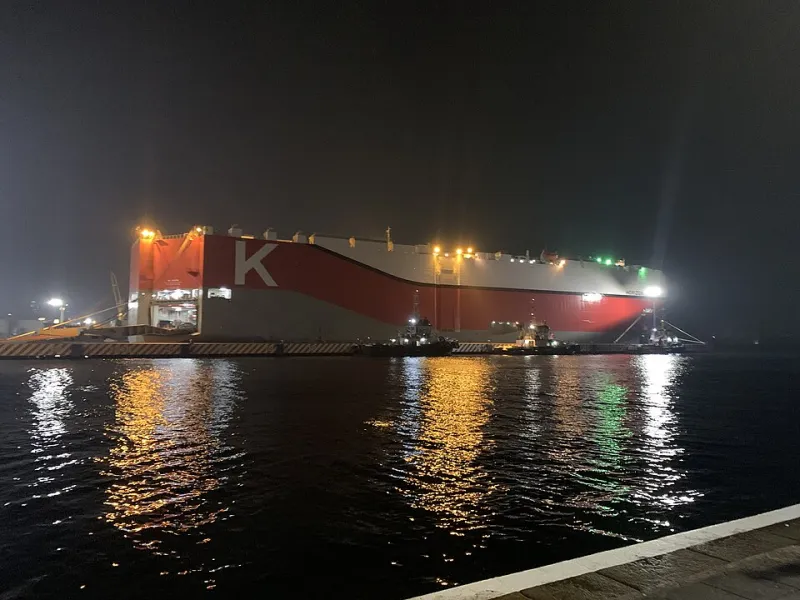
Here's the part that surprises people: you don't handle the Japanese side of the paperwork yourself. An export agent — often the dealer themselves, or a licensed partner — handles deregistration, export certificates, and booking the ro-ro (roll-on/roll-off) shipping to a US port.
What you handle on the American end is the real heavy lifting: the 25-year import rule compliance, EPA and DOT declarations, customs entry, and state titling. Budget for a customs broker; they're worth every dollar when your Acty is sitting at the Port of Long Beach and someone needs to file Form 7501 correctly.
The Red Flag Checklist
Print this out. Tape it to your monitor.
- "In excellent condition" with no supporting photos. Excellent is a claim, not a fact. Ask what's behind it.
- Refuses video calls or live inspection requests. A dealer with the car on the lot can walk you out to it in five minutes.
- No chassis number provided. You need this to verify auction history and import eligibility. If they won't share it, they're hiding something.
- Pressure to pay quickly. "Another buyer is interested" is the oldest line in the book. Real inventory turns over, but honest dealers will hold a car for a deposit and say so plainly.
- Vague answers about the export certificate. If they don't clearly explain deregistration and the export cert process, they may not be a licensed exporter at all.
- Prices that seem too good. A 2019 N-BOX at half of market rate isn't a bargain. It's bait.
The Bottom Line
Buying remotely isn't the risky version of the process — it's the standard version, refined over decades of Japanese vehicle exports. The buyers who get burned are the ones who skip the video walkthrough, wire money to an anonymous email address, and take "runs great" at face value.
The buyers who end up with a clean 660cc kei truck in their driveway did one simple thing: they asked the right questions and refused to settle for vague answers. From our corner of Gunma to your garage in Ohio, that's the whole secret.