Salt, Sleet, and Steel: What a Decade of Gunma Winters Teaches You About a Used Honda
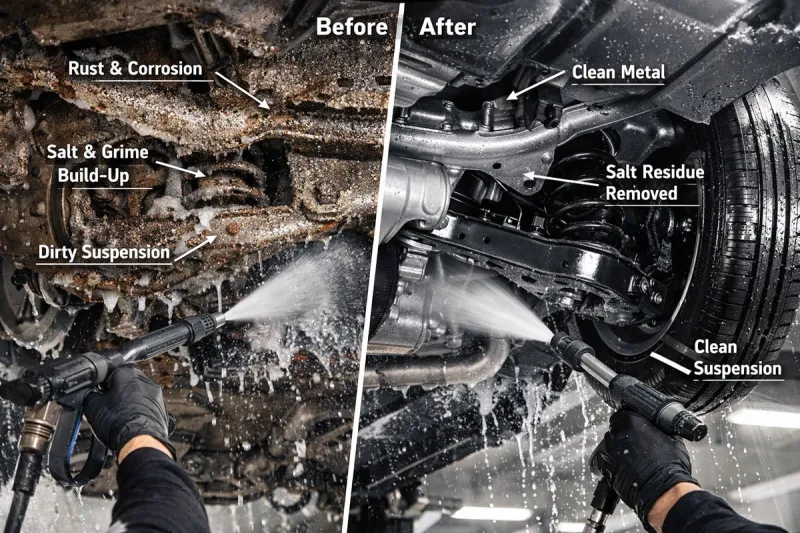
Photo: car undercarriage winter road salt rust inspection, via deluxeshine.ca
If you've ever scraped ice off a windshield in Rochester while your neighbor's ten-year-old crossover rots through its rockers, you already understand the enemy: road salt. It's the silent tax every snowbelt driver pays. Which is exactly why we find it so amusing — and a little gratifying — when Midwest buyers discover that the used Hondas rolling out of Gunma and Tochigi prefectures have been fighting the same war for decades, and mostly winning.
Two Snow Countries, One Salty Problem
Kita-Kanto isn't Hokkaido, but don't let the latitude fool you. Gunma's Shibukawa area and the mountain roads of northern Tochigi regularly get buried under meter-deep snowfalls, and municipalities respond the same way American cities do: with trucks full of calcium chloride and sodium chloride brine. A Honda N-BOX or Fit that's lived its whole life in Numata has endured the same freeze-thaw-salt cycle as a Civic in Cleveland.
The difference is what the manufacturers did about it. Japanese-market Hondas destined for snow country get factory undercoating applied at the port or dealer level, expanded wheel-arch liners, and — on many models — a dedicated cold-spec package with heated mirrors, heated seats, and beefed-up HVAC. In Japan, dealers actually log the undercoating reapplication in the service book. It's a line item, right next to the oil changes.
The Engineering You Can't See
Cold-weather prep in Japan goes deeper than spray-on goo. Snow-spec Hondas commonly include:
- Sealed underbody harnesses and connectors positioned high in the engine bay, away from slush spray
- Drainage-first body design — the same engineers who keep water out of kei trucks' beds also made sure rocker panels shed brine instead of trapping it
- 4WD availability in tiny packages — Real Time AWD on Fits and N-WGNs that American trim charts never offered
- Battery and charging specs tuned for -15°C mornings, which translates just fine to a January in Minneapolis
That last point matters more than people think. A kei truck or compact that starts reliably after a week parked outside in Minakami will shrug off a polar vortex commute.
Why This Matters for Buffalo and Beyond
Here's the pitch we make to Midwest buyers, and it's not a hard sell: you're not importing a fair-weather car and hoping it survives winter. You're importing a car that already did its apprenticeship in one of the saltiest, snowiest regions of Japan — often for a decade or more — and came out the other side with service records to prove it.
Compare that to the domestic used market, where a "clean" Minnesota Civic can hide structural rust under fresh undercarriage paint applied two weeks before the sale. Japanese auction sheets and inspection records tend to be brutally honest about corrosion, and our own intake inspections double-check every pinch weld and subframe mount.
What to Check Before You Buy
If you're shopping an import that's already logged years in snow country, treat these as your non-negotiables:
- Undercoating history. Ask whether it was factory-applied or dealer re-sprayed, and when. A thick, fresh coat over mystery metal is a red flag, not a feature.
- Rocker and pinch weld condition. On kei trucks especially, check where the floor meets the sill. Snow-country cars that lived outside their whole lives will tell on themselves here.
- Brake and fuel line routing. Lines that were clipped correctly and routed high last decades; lines hanging low in the spray zone don't.
- Undercarriage photos, not promises. Any dealer shipping to the US should provide clear shots of the frame rails, subframe, and floor pans. If they won't, shop elsewhere.
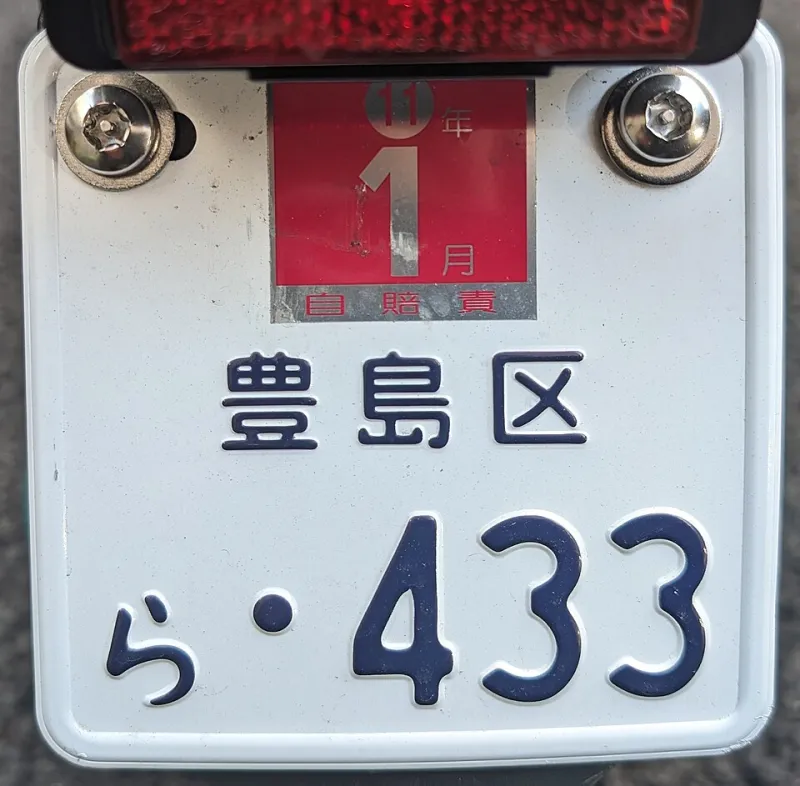
- Where it was registered. A Gunma-plated car with snow tires in the photos is a good sign. A beach-town registration from Kanagawa means you're buying coastal rust instead of road rust — pick your poison carefully.
The Verdict From the Shop Floor
We've pulled dozens of snow-country Hondas off transport trucks over the years, and the pattern holds: the underbodies on these cars routinely embarrass comparable-age American-market vehicles. Not because Japan has magic steel, but because the cars were bought, maintained, and undercoated by owners who knew exactly what winter was coming.
For a Buffalo driver tired of watching subframes dissolve, or a Minneapolis commuter who wants a 4WD kei van that's already proven itself, a battle-tested Kita-Kanto Honda isn't a gamble. It's the car that survived the same war you're still fighting — and came home with the paperwork to show for it.