The Paper Trail Never Lies: Inside Japan's Used Honda Documentation Culture
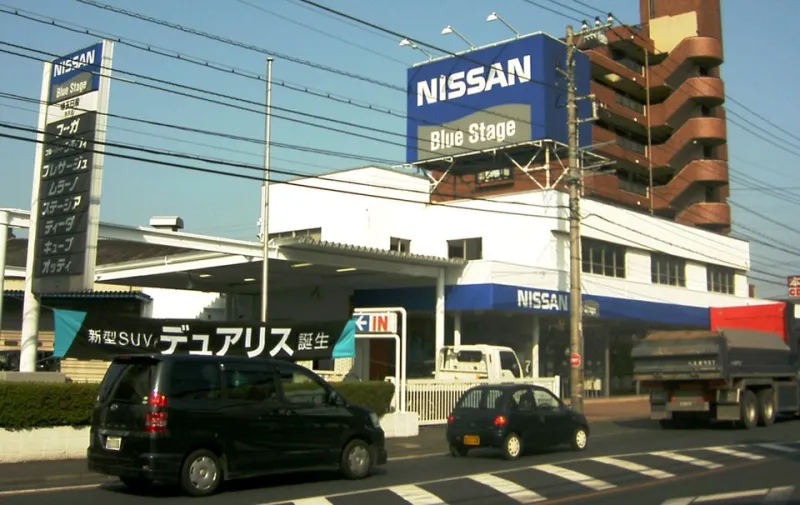
Photo: S-8500, CC BY-SA 3.0, via Wikimedia Commons
The Sticker Isn't the Story
Walk into any Honda dealership in America and you'll see them: rows of shiny used cars wearing a certified pre-owned badge like a Boy Scout merit patch. The program promises a multi-point inspection, a limited warranty, maybe some roadside assistance. It's a good system. But it's also, at its core, a marketing wrapper around a checklist.
Now hop across the Pacific to Kita-Kanto — Gunma, Tochigi, Saitama, Ibaraki — and the whole philosophy flips. Over here, the certification isn't a sticker slapped on at the end. It's a paper trail that's been accumulating since the day the car left the factory, and Japanese dealers will hand you the whole binder.
Why the Mileage Is (Almost Never) Lying
Let's start with the thing that makes American import buyers suspicious: odometers that read suspiciously low. A seven-year-old N-BOX with 38,000 kilometers? In the US, that would trigger every fraud alarm you have. In Japan, it's just Tuesday.
The reason is structural. Japan's shaken system — the mandatory biennial inspection — requires documented mileage at every inspection cycle. Those numbers get logged, cross-referenced, and shared through auction networks. Rolling back an odometer isn't just difficult; it's practically pointless because the paper trail would catch the discrepancy instantly. Add in a culture where many urban and suburban drivers genuinely use trains for commuting (especially in denser parts of Saitama and Ibaraki), and low-mileage used Hondas are the norm, not the exception.
Compare that to the US, where a Carfax report is often a patchy reconstruction of whatever a shop bothered to report. In Japan, the mileage record is closer to a passport — stamped, verified, and nearly impossible to fake.
The Service Book: A Document Americans Don't Know They Want
Here's the artifact that surprises most first-time importers: the shaken-sho and the accompanying service booklet — a little physical logbook, often kept in the glovebox, where dealerships stamp and sign every oil change, brake job, and inspection.
American service records live in fragmented databases. Japanese service records live in a book the owner carried to every appointment, because a well-stamped booklet directly boosts the car's resale value. The incentive to maintain the paper trail is baked into ownership from day one.
When you're evaluating a used Fit or Freed from a Kita-Kanto dealer, this booklet is gold. You can see whether the oil was changed on schedule, whether the timing-related services were done, whether the car spent its life with one careful owner or three careless ones. Ask the dealer for photos of every page. A reputable seller will send them without hesitation. A hesitation is your answer.
What 'Certified' Means on Each Side of the Pacific
Let's put the two systems side by side:
- US CPO: A manufacturer-backed inspection (typically 150+ points for HondaTrue), an extended warranty, and a reconditioning standard. Strong, but the depth of history depends on what the selling dealer can access.
- Japan dealer certification: Auction-grade inspection reports, the full shaken history, the stamped service booklet, and — critically — a legal framework (the intermediate inspection and auction grading systems) that makes misrepresentation expensive and traceable.
Neither system is perfect. But the Japanese version tends to surface more information, not less, including the unflattering stuff. A car that was in a minor fender bender will have that noted in its auction history. In the US, an unreported accident can vanish into a clean-looking Carfax.
The Questions to Ask Before You Commit
If you're importing a used Honda from Kita-Kanto, treat this as your pre-purchase checklist:
- Request the full service booklet scans. Every page, not just the recent ones.
- Ask for the auction sheet if the car passed through a dealer auction. The grade and inspector notes tell you what a professional saw underneath the car.
- Confirm shaken inspection dates and what was replaced or repaired at each cycle.
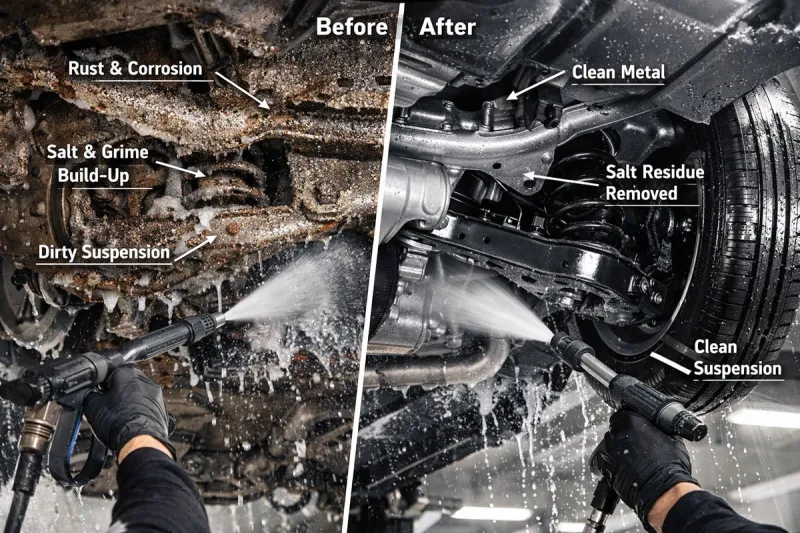
- Ask about rust treatment history — less of an issue in Kita-Kanto than in snowy Hokkaido, but Gunma and Tochigi winters do involve road salt.
- Get the export inspection report — an independent third-party check before the car ships.
The Bottom Line for American Buyers
A certified pre-owned Honda from your local US dealer is a fine purchase. But if you're going through the trouble of importing from Japan — the shipping, the paperwork, the 25-year rule for anything newer — you deserve a car with a paper trail that's actually better than what you'd find at home.
That's usually what you get from a Kita-Kanto dealer. The culture here treats documentation as a form of respect: to the next owner, to the auction house, to the car itself. When that N-BOX lands in your driveway with a folder of stamped booklets and inspection reports, you're not just buying a minivan. You're buying a documented life story — and in the used car world, that's worth more than any sticker.