Two Weeks, One Test Drive: Flying to Japan to Buy a Honda Where It All Began
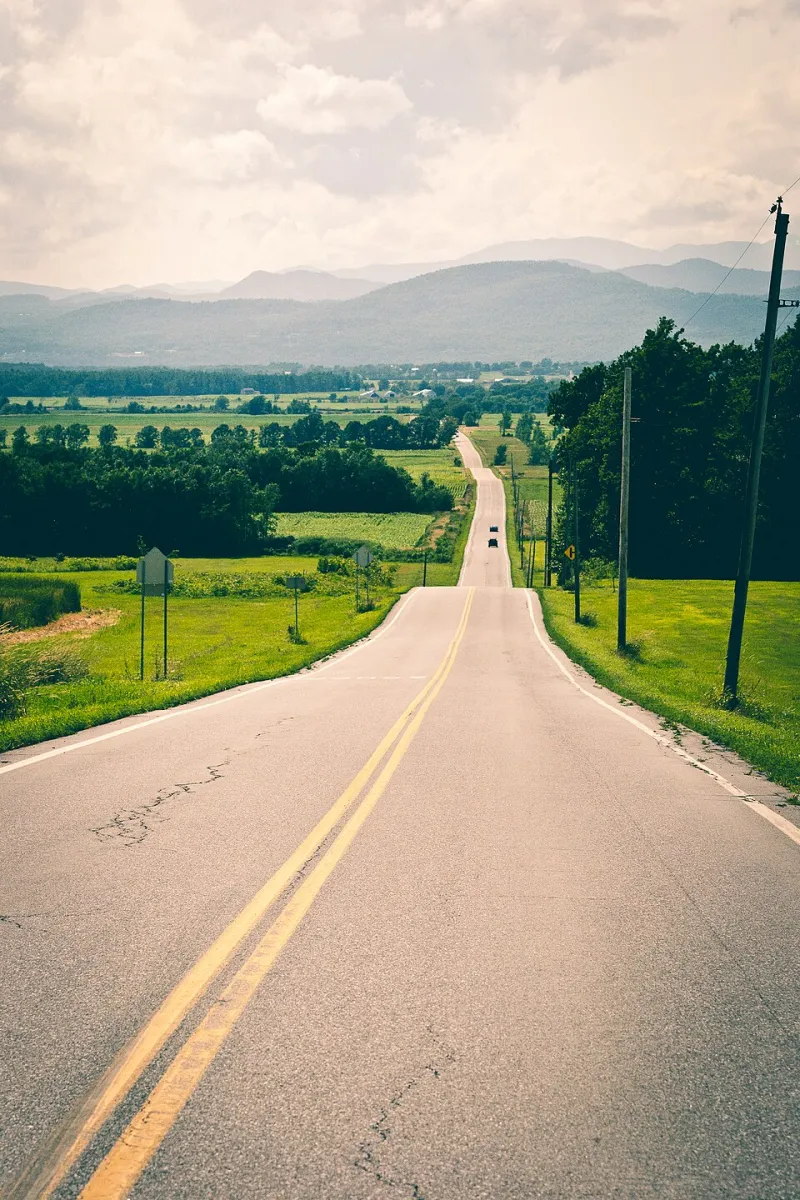
Photo: www.Pixel.la Free Stock Photos, CC0, via Wikimedia Commons
There's a certain kind of Honda enthusiast who doesn't just want to own the car — they want to buy it where the company was born. Not in Tokyo, where Honda's headquarters towers over Aoyama, but here, in Kita-Kanto: Gunma and Tochigi, the prefectures where Honda builds, tests, and obsesses over its machines. A growing number of American fans are turning a car purchase into a pilgrimage. I tagged along to see how it works.
Why Here? Why Now?
Tochigi is home to Honda's legendary proving ground and Takanezu plant, where the NSX was once built and where Honda's most demanding engineering work happens. Next door, Gunma hosts major manufacturing — including the Suzuta and Ogawa plants — and the roads winding out of the mountains toward Nikko are the kind of routes where a Civic or a Type R reveals exactly what it's made of.
For a buyer from Ohio or Oregon, the appeal is obvious: spec your car, drive it on the roads the engineers tuned it on, and bring home a story that no VIN sticker can replicate.
The Japanese Buying Ritual: Slow, Thorough, Weirdly Relaxing
An American showroom visit is famously transactional. You browse the lot, a salesperson drifts over, and within twenty minutes someone's "talking to the manager" about your trade-in.
In Japan, buying a car is closer to a medical exam combined with a tea ceremony. You make an appointment. You sit down. Someone brings you hot coffee — sometimes from a vending machine, but always offered with genuine ceremony. Then comes the mebaru shokken, the quotation sheet: a hand-written or printed document itemizing the vehicle price, every option, taxes, insurance, recycling fees, and mandatory shake inspection costs. Nothing is hidden. Nothing is "let me check with my manager."
The test drive itself is unhurried. Dealers here assume you're serious, and they respect your time with patience rather than pressure. Expect a full walkaround — including a demonstration of the wiper and washer settings, which in Japan are treated with the reverence most cultures reserve for the ignition.
The Paperwork Reality for Visitors
Here's the honest caveat: a short-term tourist can't just buy a car and register it. Registration requires a residence card and a registered parking space (yes, you must prove you have somewhere to park before you can buy — a rule that would break the internet in Los Angeles).
So how do enthusiasts make this work? A few routes:
- Long-term residents buy directly and enjoy the full experience.
- Export buyers purchase through a dealer like us, and the car ships to the US once it hits the 25-year eligibility window — a favorite move for vintage Honda fans.
- Rental-and-recon missions — rent the car you're dreaming of, drive the Touge roads, then order your US-spec version knowing exactly what it feels like.
The Maintenance Culture You'll Wish You Had
What struck me most wasn't the buying process — it was the service culture. Japanese dealerships run shaken prep (the biennial inspection) like a pit crew. Vehicles come back washed, vacuumed, with the seats pushed forward and the floor mats beaten clean. Service advisors hand you a printed timeline of every wear item, color-coded by urgency.
For American visitors, it's a glimpse of what Honda ownership looks like when the maintenance culture is this disciplined — and it's a big part of why used Hondas exported from this region arrive in such strong condition. A car that's been shake-maintained its whole life in Gunma is a genuinely better used car than one that's been neglected anywhere else.
Making the Pilgrimage
If you're planning a trip: fly into Narita or Haneda, take the Shinkansen or a rental car north about two hours, and build your itinerary around the Tochigi proving ground area, the Nikko mountain roads, and a day in Takasaki or Maebashi for the dealership experience. Come in autumn — the Kita-Kanto foliage on those backroads is worth the flight on its own.
And if you stop by, we'll put the coffee on. That part of the ritual, we're happy to perform for anyone.