The 660cc Workhorse: What American Farmers Need to Know Before Importing a Honda Acty
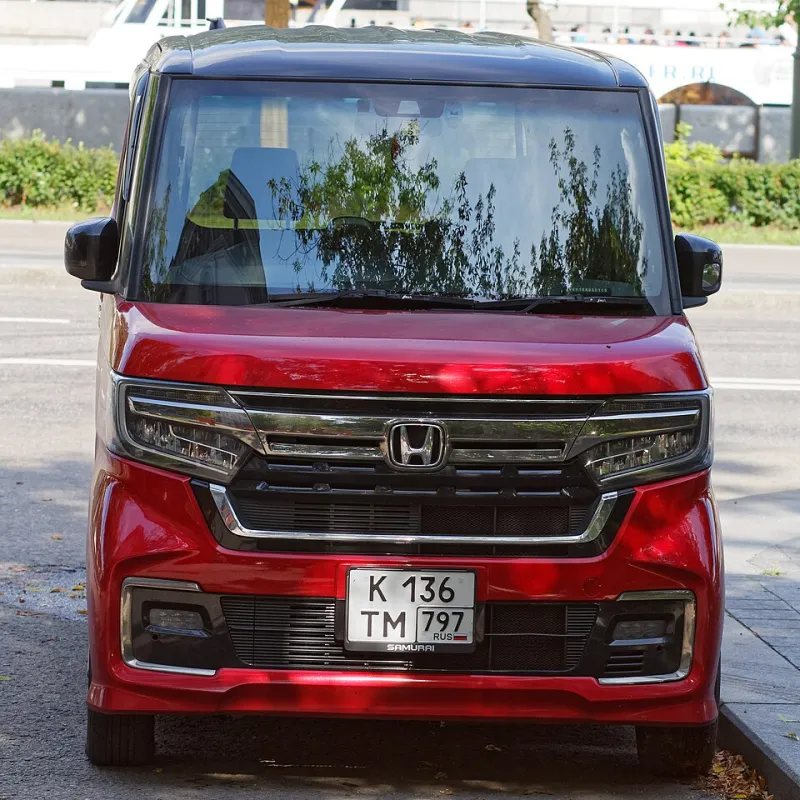
Photo: Syced, CC0, via Wikimedia Commons
Spend a weekend at any rural auction or farm show in the Midwest and you'll spot them: boxy little trucks with steering wheels on the wrong side, license plates that read like haiku, and beds barely bigger than a wheelbarrow. Japanese kei trucks have landed in American farm country, and the Honda Acty is one of the favorites.
Why the Acty Wins Hearts (and Hauls Feed)
The Acty — short for "Activity," naturally — is Honda's take on the kei truck formula: a mid-engine layout, a tiny 660cc engine, and dimensions that make a Ford Maverick look like a Super Duty. What it lacks in horsepower it makes up for in pure practicality. It's light, it turns on a dime, and it'll fit down a greenhouse row or a horse barn aisle that would swallow a full-size pickup whole.
Farmers love them for the same reasons Japanese farmers have for decades: they're cheap to run, nearly indestructible in normal use, and perfect for the ten-thousand small jobs that don't need a 6,000-pound truck. Hauling seed bags, checking fence lines, moving firewood — the Acty eats that stuff for breakfast on a gallon of fuel that would embarrass a hybrid.
The 25-Year Rule, Explained Without Lawyer-Speak
Here's the part every buyer needs tattooed on their forearm: under US law, vehicles that never met federal safety and emissions standards can only be imported once they're 25 years old. That's why you'll see 1990s Actys all over American Facebook Marketplace but never a 2015 model — legally, at least.
The good news? The sweet spot of the Acty's production run (1988 through 2021) means there's a deep bench of eligible trucks. Each year, another model year rolls into eligibility, so the pool keeps growing. The bad news? The best-condition examples are getting snapped up fast, and prices have climbed accordingly.
What You'll Actually Pay
Realistic numbers, as of right now:
- Rough, working-grade Acty: $6,000–$8,000 landed
- Clean, low-mileage examples: $9,000–$13,000
- Pristine, dealer-refreshed trucks with extras: $14,000+
That includes the truck, shipping, port fees, and customs. Compare that to a new side-by-side UTV — which offers less cargo capacity, no cab, and no heater worth mentioning — and the math starts looking pretty friendly.
Know Your State's Rules
This is where buyers get burned. Importing is federal; registering is state, and states are all over the map on kei trucks. Some, like Montana and Texas in certain counties, are pretty accommodating. Others restrict them to off-road or low-speed use only, and a few effectively say no. Before you buy, check your state's DMV guidance on "mini trucks" specifically — a quick search plus a phone call can save you a very expensive lawn ornament.
How Trucks Get Here From Kita-Kanto
Our corner of Japan — Gunma, Tochigi, Saitama and neighbors — is kei truck country. Between the agricultural valleys of Gunma and the snow-country demand for 4WD workhorses up north, this region cycles through more small trucks than almost anywhere in Japan. Dealers here source trucks at regional auctions, inspect and grade them, and export through ports like Yokohama. A good exporter will provide auction-sheet verification, underbody photos, and honest condition grading. If someone won't show you the auction sheet, walk away.
A Few Buying Tips From the Source
- Rust is the enemy, not mileage. These engines routinely run 100,000+ km without drama. Check the frame, bed rail, and rear wheel arches.
- 4WD is worth the premium if you're anywhere with winters or mud.
- Parts are surprisingly manageable — shared Honda components and a strong aftermarket in the US mini-truck community mean you won't be stranded.
- Right-hand drive is a feature, not a bug. After a week, shifting with your left hand feels completely normal. Ask anyone who's done it.
The Bottom Line
The Honda Acty isn't a novelty — it's a legitimate tool that happens to come with a heavy dose of character. If your state allows registration and you buy from a source that grades honestly, you'll end up with one of the most useful and lovable vehicles on your property. And if you're ever in Kita-Kanto, come see where they come from. We've usually got a row of them lined up out front.