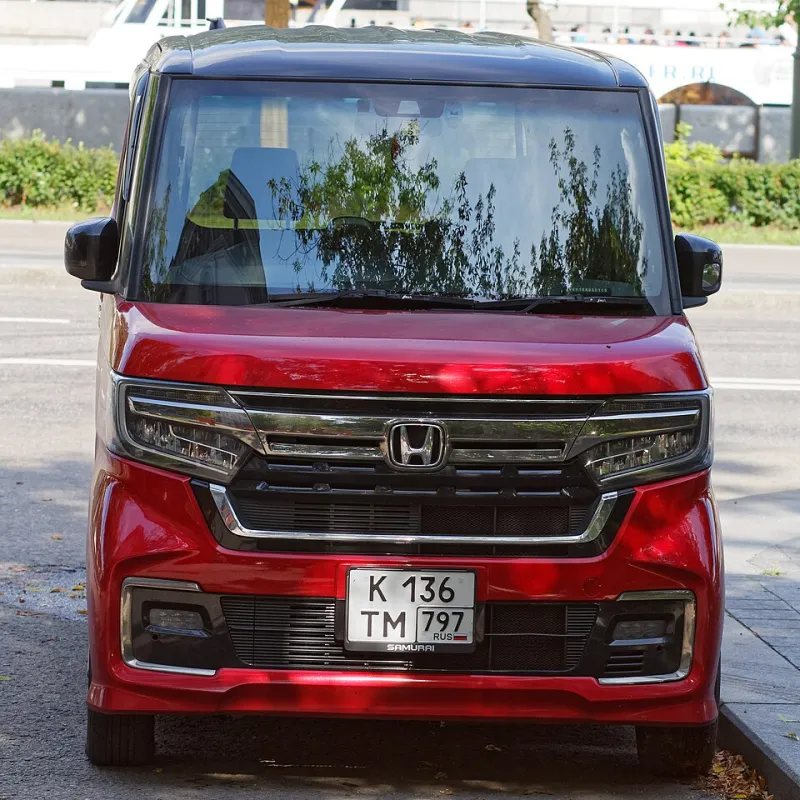
Snow Season Survival Kit: How Kita-Kanto Drivers Keep Their Hondas Running Through Brutal Winters

Photo: Ian Gulinao from Canada, CC BY 2.0, via Wikimedia Commons
If you've never driven through a proper Kita-Kanto winter, here's the short version: it snows hard, it melts a little, it refreezes overnight, and by morning the roads are a skating rink. Drivers here don't just tolerate winter — they prepare for it like it's a second job.
The good news? That hard-earned know-how translates perfectly to snowy American regions, whether you're in upstate New York, the Rockies, or the Midwest. Here's the seasonal playbook our service technicians recommend for your Honda.
Tires: The Single Biggest Decision You'll Make
Let's be blunt — all-season tires are a compromise, and in real snow, compromises cost you stopping distance.
Studless winter tires (the Japanese term for studless snow tires) are the gold standard here in snow country. Modern winter rubber uses a softer compound that stays pliable below 45°F, plus siped tread blocks that bite into snow and slush. For something like a CR-V or Pilot running all-seasons year-round, switching to a dedicated winter set from November through March is the single best upgrade you can make.
A few quick tips from our technicians:
- Don't mix and match. Fit winter tires on all four corners. Two winter tires on an AWD vehicle creates unpredictable handling.
- Watch the wear bars. Winter tires lose effectiveness below about 50% tread depth, even if they look okay.
- Check pressure weekly. Every 10°F drop in temperature costs you roughly 1 PSI. Underinflated tires handle worse and wear faster.
If you're unsure whether your current tires are up to the job, swing by — we'll measure tread depth and give you an honest assessment, no pressure attached.
Battery: The Cold-Weather Killer
Nothing strands a driver faster than a dead battery on a -10°F morning. Cold weather slashes battery capacity while thickening your oil, which means your starter works harder exactly when your battery is weakest.
Before winter hits:
- Have your battery load tested — most fail gradually, not suddenly
- Clean any corrosion off the terminals
- If your battery is more than four years old, budget for a replacement proactively
Our service center runs battery checks as part of every winter inspection, and it takes about five minutes. Five minutes beats a jump start in a snowbank every single time.
Fluids and the Freeze Factor
Coolant
Your coolant needs the right antifreeze ratio to protect below freezing — typically a 50/50 mix, good to around -34°F. If your coolant is old or rusty-colored, a flush before winter is cheap insurance against a cracked block.
Washer Fluid
Swap summer washer fluid for a winter-rated formula. Slush, road salt, and brine spray coat your windshield constantly, and frozen washer fluid is a safety hazard, not an inconvenience. Keep a spare jug in the trunk.
Oil
If you're due for a change, consider your climate. Many drivers in serious snow country switch to a lower winter-grade oil (your CR-V's manual will list options) for easier cold starts. When in doubt, ask us — we'll match the oil to your actual winter, not a generic spec.
Undercarriage and Wiper Care
Road salt is brutal on brake lines, exhaust components, and suspension parts. A thorough wash — including the undercarriage — every couple of weeks during snow season slows corrosion dramatically. Many Japanese drivers make undercarriage washes a routine, and it's a habit worth importing.
While you're at it, upgrade to winter wiper blades. Their rubber stays flexible in freezing temps, and their heavier frames punch through snow and ice instead of skating over it.
The Emergency Kit Every Trunk Should Have
Snow country drivers carry a few essentials:
- Blanket and spare warm clothing
- Jumper cables or a portable jump starter
- Ice scraper and snow brush
- Small folding shovel and traction mats or kitty litter
- Flashlight, snacks, and water
- Phone charger
It sounds paranoid until the one morning you need it.
Book Your Winter Checkup Early
Here's the thing about winter prep: everyone waits until the first storm is in the forecast, and then service schedules fill up fast. The smart move is booking your seasonal inspection in October or early November.
Our winter checkup covers tires, battery, coolant, wipers, brakes, belts, and a full undercarriage look — usually done in under an hour. Whether you drive a Fit, Civic, CR-V, or Ridgeline, we'll make sure it's ready for whatever the season throws at it.
Snow country drivers have a saying: there's no such thing as bad weather, only bad preparation. Come see us before the white stuff flies, and drive the whole season with confidence.