The 340-Mile Commute: How a Honda Born in Gunma Ends Up in Your Driveway
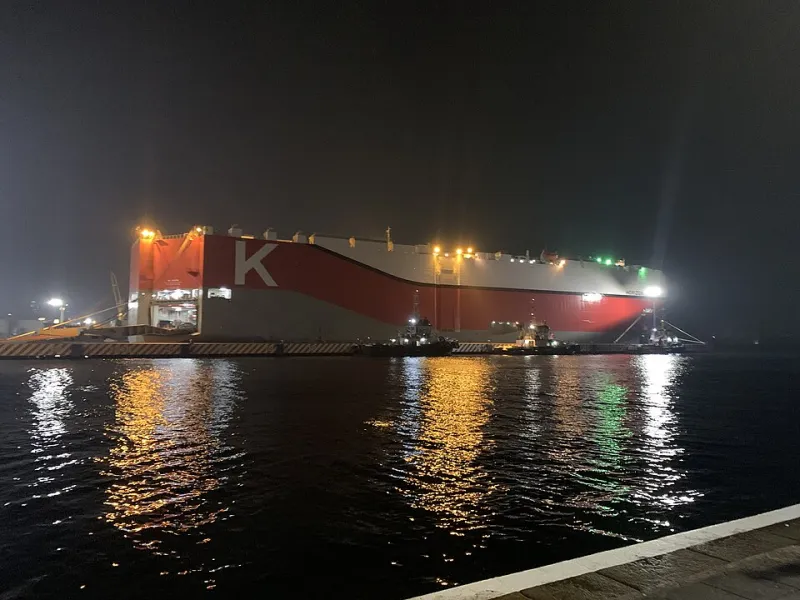
Photo: Koffermejia, CC BY-SA 4.0, via Wikimedia Commons
Ask most American Honda owners where their car came from and you'll get guesses like "Ohio?" or "somewhere in Mexico." Almost nobody says Gunma — a green, mountain-fringed prefecture about two hours north of Tokyo. Yet this region, part of what locals call Kita-Kanto, has been one of Honda's most important industrial heartlands for decades.
We wanted to follow a single vehicle from the assembly line to an American showroom. What we found was a supply chain story that says a lot about why Hondas feel the way they do.
Why Honda Put Down Roots North of Tokyo
When Soichiro Honda's company was scaling up in the 1960s, it needed space — flat, buildable land with access to rail, highways, and a hungry workforce. Kita-Kanto had all of it. Gunma and neighboring Tochigi offered room for sprawling plants without Tokyo's land prices, and the region's manufacturing culture (it's historically a silk and machinery powerhouse) meant skilled tradespeople were already there.
Today, the area hosts major Honda production and R&D facilities, including the famous Tochigi proving grounds where everything from Type R variants to Super Handling All-Wheel Drive systems get tortured on test courses. When a Honda engineer says a car was "validated on the track," there's a good chance that track sits in Kita-Kanto.
Following One Car: From Line-Off to Load-Out
Picture a freshly built model rolling off the line in Gunma on a Tuesday morning. First stop isn't a truck — it's inspection. Japanese quality control at this level is famously obsessive; cars get checked under bright lighting bays where a single paint blemish can send them back for rework.
From there, the car trucks to a port — usually Yokohama or Nagoya — and waits for a roll-on/roll-off car carrier. These floating parking garages hold thousands of vehicles, and the Pacific crossing takes roughly two to three weeks. Add port processing, a rail leg across the US, and final dealer prep, and that Tuesday morning in Gunma becomes an American showroom arrival about six to eight weeks later.
It's a remarkably quiet journey. No drama, no fanfare — just a choreographed handoff between Japanese longshoremen, ocean carriers, US rail yards, and finally a dealership lot in, say, suburban Denver.
What the Regional Connection Means for US Buyers
Here's the practical takeaway. Japan-market vehicles built for export are engineered to meet American standards — different bumpers, lighting, emissions gear — but the core assembly quality is identical to what stays home. That matters because Kita-Kanto's plants have spent 50-plus years refining the processes that make Hondas known for reliability.
There's a cultural layer too. This region is Honda country in the truest sense. Local dealers, service shops, and even roadside diners are steeped in the brand. Drive through Gunma in a rental and you'll pass more Hondas per mile than almost anywhere in Japan.
The Enthusiast Angle: Why This Region Draws American Pilgrims
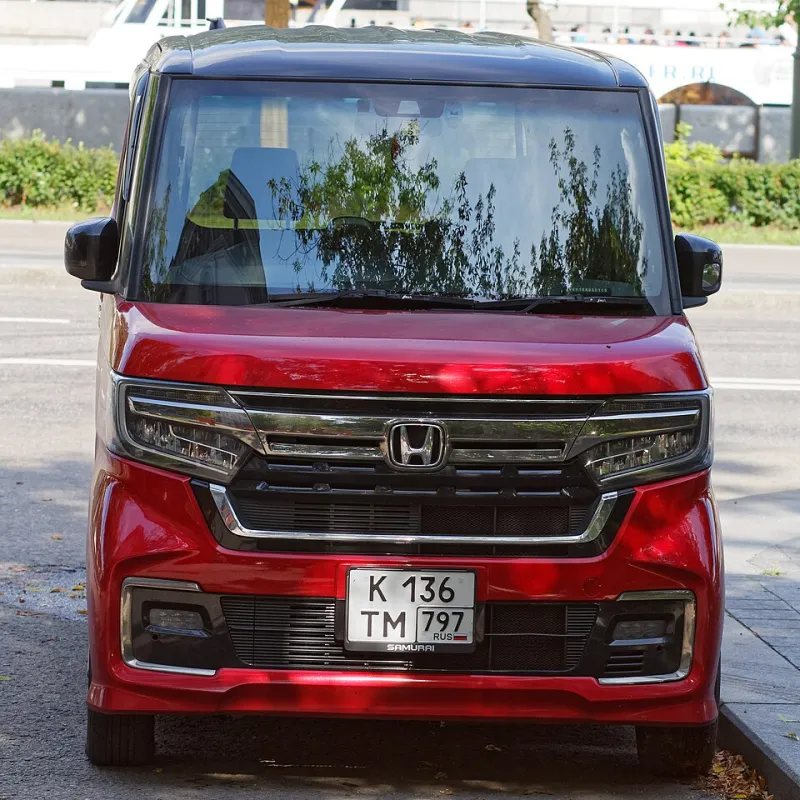
A growing number of US Honda fans make the trip to Kita-Kanto — some to tour museums and factory-adjacent sites, others to hunt for kei trucks and JDM models they can't get stateside. The 25-year import rule has Americans combing regional auction houses for older Honda gems that were sold new in Gunma and Tochigi, never leaving the prefecture.
If you're planning that kind of trip, a few tips:
- Time it right: Spring and fall offer the best driving weather and the least tourist traffic.
- Get an IDP before you leave: Americans need an International Driving Permit issued stateside — you can't get one after arrival.
- Book factory-adjacent experiences early: Regional Honda facilities have limited public access, so arrange visits through dealers or tour operators in advance.
- Budget for the drive, not just the destination: The highways between Gunma, Tochigi, and Saitama are half the fun.
A Supply Chain With a Face
The next time you pull up next to a Honda at a stoplight in Atlanta or Portland, remember: there's a decent chance that car started life on a line in Kita-Kanto, was signed off by an inspector who's checked thousands just like it, and crossed the largest ocean on Earth without a scratch.
That's not just logistics. That's a regional Japanese work ethic, exported one vehicle at a time — and it's why we're proud to be part of the story from the Kita-Kanto side.