Chasing Curves in a Cubic Meter: Why Gunma and Tochigi Were Made for Kei Trucks
Photo: Syced, CC0, via Wikimedia Commons
There's a moment every American kei truck fan eventually chases: the image of a tiny flatbed humming up a narrow mountain road, vines brushing the mirrors, a valley opening up on the passenger side. That moment isn't a fantasy. It's just a couple hours north of Tokyo, in Kita-Kanto — the region our dealership calls home.
Why Kita-Kanto Is the Sweet Spot for Small Trucks
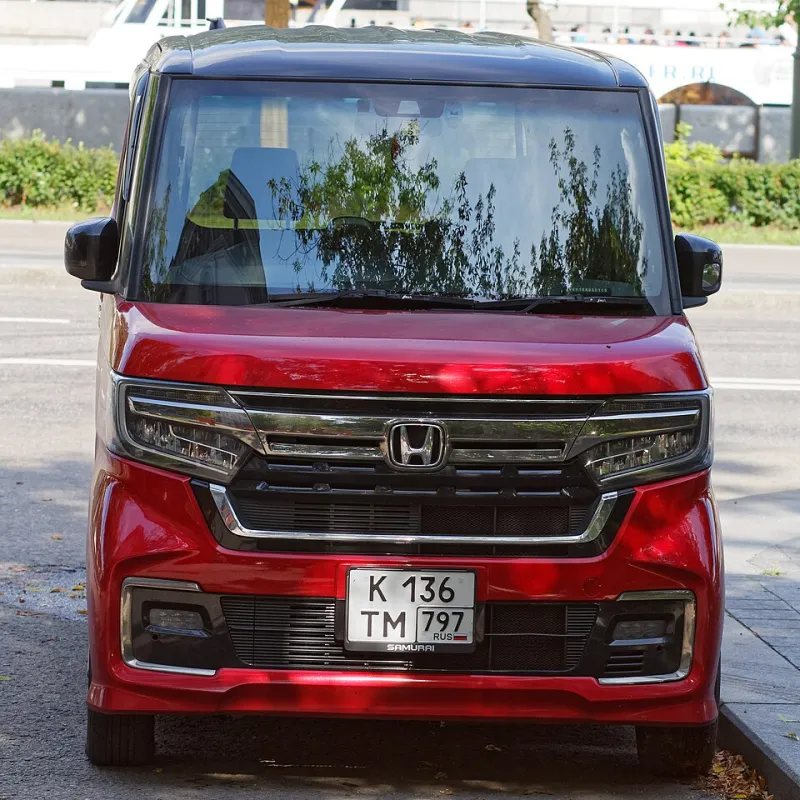
Gunma and Tochigi prefectures sit at the foot of some of Japan's most drivable mountains. The roads here were carved for forestry, farming, and onsen towns — which means tight switchbacks, single-lane tunnels, and pavement that rewards a lightweight, right-hand-drive machine. A Honda Acty or N-Van doesn't just survive these roads; it's what they were built for.
Compare that to the American kei truck experience, where most mini trucks top out on flat farm roads in Texas or the Carolinas. In Kita-Kanto, you get to see what 660cc and a short wheelbase were actually engineered to do.
The Route: Two Days, Two Prefectures
Day 1 — Gunma: Start in Maebashi and head west on Route 292 toward the Mikuni Pass corridor. The climb toward Shima Onsen offers one of the best mixes of hairpins and scenery in the prefecture. If your timing is right in autumn, the momiji (Japanese maple) colors make every pull-off a photo stop. Continue toward Kusatsu for a hot spring soak and a bowl of Gunma's famous yaki-manju.
Day 2 — Tochigi: Cross over toward Nasu, where the highlands roads around Route 289 and the slopes below Mount Nasu open into long, sweeping corners. Unlike Gunma's tight switchbacks, Nasu gives you room to actually use the tachometer. Finish with a detour to Nasu's cheese gardens and roadside farms — plenty of which are, fittingly, serviced by kei trucks just like the one you're driving.
Can You Actually Do This as an American?
Yes, and it's easier than you'd think.
Licensing: Japan recognizes a handful of US state licenses through the Geneva Convention loophole, but only if you obtain an International Driving Permit before you leave home. AAA issues them stateside for around $20. Note that IDPs are valid for one year and can't be renewed from inside Japan.
Rentals: Tokyo and Utsunomiya rental counters increasingly stock kei cars, though kei trucks are rarer — enthusiast-oriented rental shops in Gunma and Tochigi are your best bet. Book well ahead, especially during fall foliage season and Golden Week.
Driving etiquette: Keep left, expect narrow bridges with mirrors at every blind corner, and remember that on mountain roads, uphill traffic generally has the right of way.
Itinerary Tips From the People Who Live Here
- Fuel up often. Mountain gas stations close early, and kei tanks are tiny.
- Download offline maps. Cell coverage drops in the passes.
- Build in onsen time. The whole point of a kei road trip here is the stops, not the pace.
- Pack light. Even the N-Van feels full fast — that's part of the charm.
Bring the Experience Home
If the trip does what it usually does — convinces you that you need one of these trucks in your own driveway — that's where we come in. Whether you're planning the pilgrimage or just dreaming about it from your garage in Ohio, understanding where these vehicles come from makes owning one stateside that much better.
The roads of Gunma and Tochigi have been shaping small Honda drivers for decades. Come see why.