Half a Space Is All You Need: The Case for Squeezing Your Commute Into 108 Inches
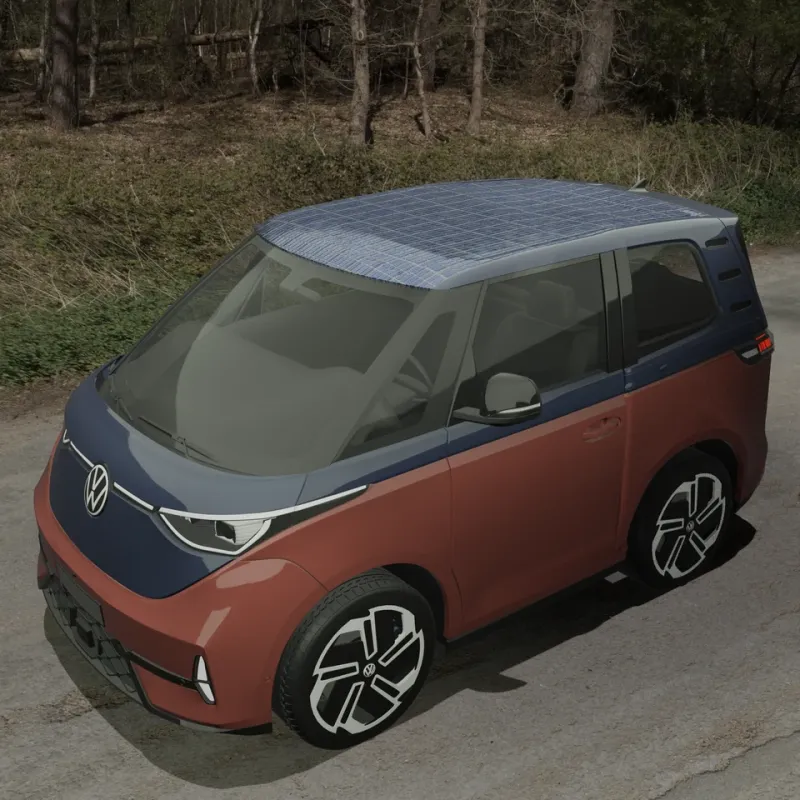
Photo: Wikideas1, CC0, via Wikimedia Commons
The Daily Scavenger Hunt Nobody Asked For
If you live in a US city, you already know the routine. Circle the block. Spot a gap. Slow down and squint — is that space long enough for my RAV4, or is that just wishful thinking? Pull in halfway, back out, keep circling.
Here at our Kita-Kanto dealerships, that whole ritual looks baffling. Not because Japanese drivers are parking wizards (though many are), but because most of them never face the problem in the first place. Their cars simply fit.
The Numbers, Side by Side
Let's put a tape measure on this thing.
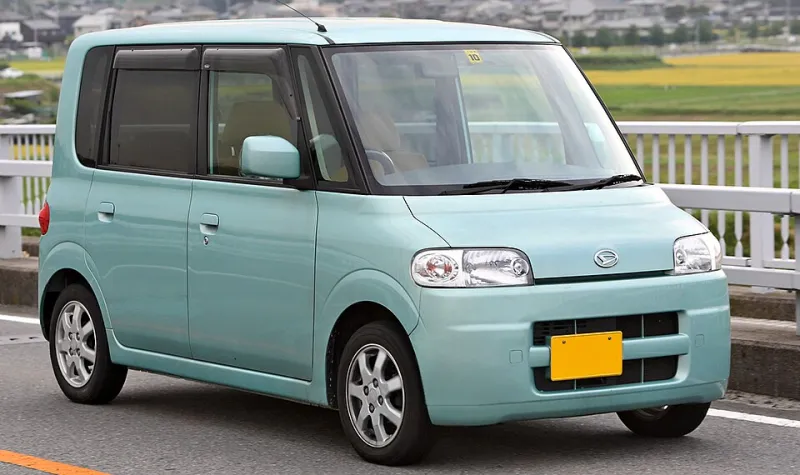
The Honda N-VAN runs about 108 inches bumper to bumper — roughly 9 feet. Compare that to the vehicles Americans actually commute in:
- Honda CR-V: ~182 inches
- Toyota RAV4: ~180 inches
- Ford F-150 SuperCrew: ~209–250 inches depending on config
- Honda Odyssey: ~205 inches
That's a difference of six to twelve feet. In parking terms, a kei van doesn't just fit in a standard 18-foot US parallel spot — it fits with room for a second N-VAN to nose in behind it. In Tokyo and Gunma's tighter lots, where spaces are often marked at just 6.5 feet wide, the N-VAN slides in like it was measured for the job. Because, well, it was.
A Photo Essay: The Tight-Spot Hall of Fame
We wandered our home turf with a camera to document parking situations that would make a Brooklyn driver weep:
- The alley nose-in. A customer's N-VAN tucked between a vending machine and a utility pole with maybe two inches to spare on each mirror.
- The perpendicular miracle. Kei vans parked four across in a lot carved from what used to be a rice paddy margin.
- The street corner squeeze. A kei van sharing a curb space that, in Manhattan, wouldn't legally hold a Vespa.
- The garage that isn't. Postwar-era homes around Maebashi have carports built for kerosene delivery trucks. The N-VAN shrugs into them.
None of these are stunts. They're Tuesday.
Why This Matters for Errands, Not Just Ego
The parking crunch isn't an aesthetic problem — it's a time and money problem. Studies of urban parking consistently show drivers spend several minutes per trip hunting for spots, and street-parked commuters waste hours a year. A vehicle that fits in half a space doesn't just park faster; it changes where you're willing to drive at all. That hardware store run you'd skip? Now it's a five-minute hop.
There's also the human math: a kei van's boxy, upright footprint means the interior space of a small crossover rides on the exterior footprint of a golf cart. Honda's designers did the clever work so you don't have to.
The Fine Print for American Dreamers
A quick reality check: kei vans like the N-VAN can't be newly imported to the US until they hit 25 years old under current rules, and they're not highway-speed machines — the 660cc engine is happiest around town. But that's exactly the use case we're describing. Errands, city hops, farmers market runs. As the first wave of import-eligible keis ages in, early adopters are already proving the concept in cities like Portland and Austin.
Come See What Fits
If you ever find yourself in Kita-Kanto, stop by one of our showrooms and try the N-VAN on for size — literally. Stand next to it, then stand next to your daily driver in the lot outside. The difference is the punchline of every parking joke you've ever told.
Small isn't a compromise here. It's the whole point.