Your Tax Dollars Are idling in a Full-Size Truck: The Case for a 660cc Municipal Fleet
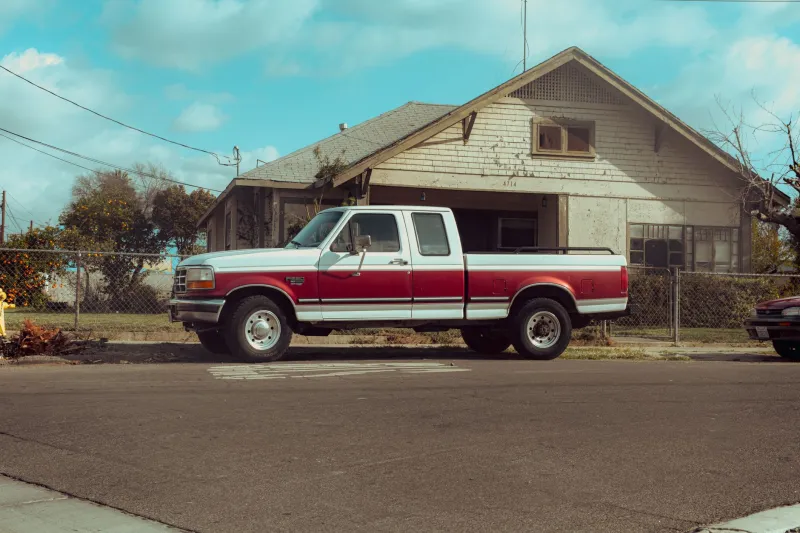
There's a moment in every municipal budget meeting when someone finally asks the uncomfortable question: why are we paying $4 a gallon to move a single parking enforcement officer and a ticket book around in a V8 pickup?
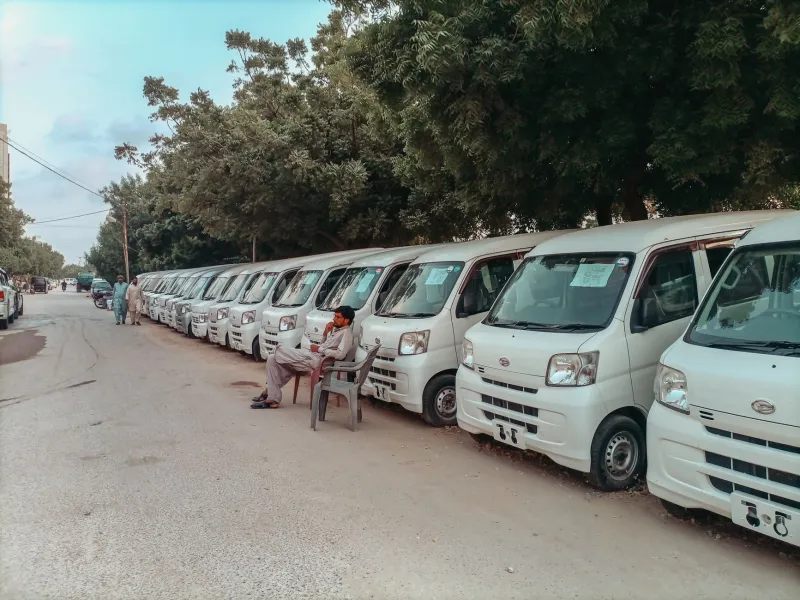
At Honda4 Kita-Kanto, we spend most of our time helping folks import their dream kei trucks and vans from Gunma, Tochigi, Saitama, and Ibaraki. But lately, a different kind of buyer has been knocking on our (virtual) door — the municipal one. And honestly? They might be onto something bigger than any individual hobbyist.
The Math Nobody Wants to Run
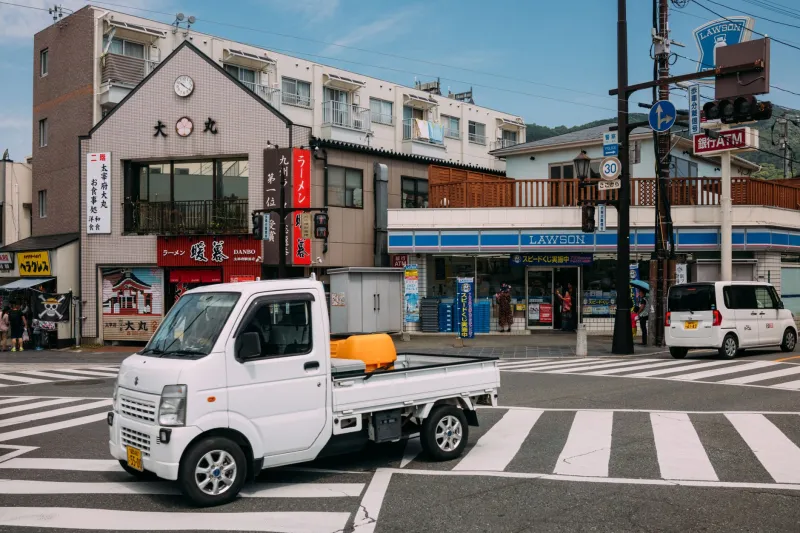
Let's start with the obvious. A full-size fleet truck idles through an eight-hour shift burning fuel the entire time. A 660cc Honda Acty sips gasoline like it's rationed. We're talking real-world figures in the neighborhood of 30 mpg versus maybe 13 for the big truck in stop-and-go duty.
Over a year of daily routes, that difference compounds fast. One facilities manager we spoke with — let's call him Dave, because that's his name — runs groundskeeping at a college campus in central New York. His department imported a used Acty through a Kita-Kanto dealer two years ago.
"I did the spreadsheet three times because I didn't believe it," Dave told us. "Between fuel, insurance, and the fact that I paid less for the truck shipped from Japan than a used F-150 costs locally, it paid for itself in about fourteen months."
Fourteen months. Most municipalities replace fleet vehicles on five-to-ten-year cycles. That's a lot of budget meetings' worth of savings sitting on the table.
Right-Sized for the Job
Here's the thing about most light municipal work: it doesn't require three-quarter-ton capability. Parking enforcement. Campus mail routes. Groundskeeping crews hauling rakes and a leaf blower. Meter readers. Park maintenance.
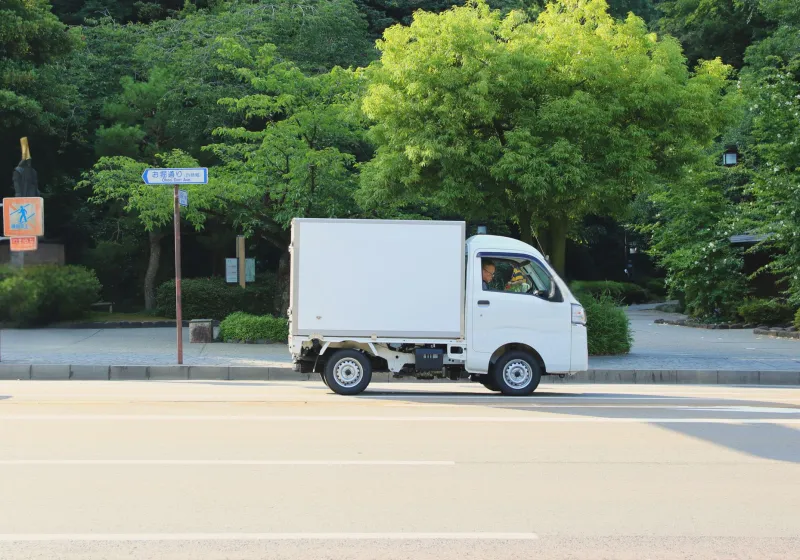
The Acty's roughly 1,500-pound payload handles all of it, and its tiny footprint means it parks where nothing else can. Dave's crew uses theirs to navigate service roads behind dormitories that a full-size truck simply can't squeeze into. In dense downtown districts, a kei truck fits in a standard parking spot with room to spare — which, for a parking enforcement vehicle, is almost poetic.
There's also the maintenance angle. These trucks were built for a country that takes vehicle upkeep seriously — Japan's shaken inspection system means used Hondas arriving stateside tend to be remarkably well-documented and well-cared-for. We've written before about Japan's used-car paperwork culture, and it holds up: the service history on a Kita-Kanto export is usually cleaner than anything you'll find on a used government fleet auction truck.
The Fine Print, Because There's Always Fine Print
We'd be doing you a disservice if we didn't mention the caveats. Kei trucks are off-road-use-only vehicles under federal law, which means street-legal status depends on your state — and, more importantly for a municipality, your local regulations and intended use. Many towns operate them on private property, campus roads, or parks land, which sidesteps the issue entirely. Campus groundskeeping? Usually fine. Downtown patrol on public roads? Check your state's rules first. We've covered the state-by-state patchwork before, and it hasn't gotten simpler.
Parts availability is the other question mark. The good news: Honda kei trucks share a surprising amount with their domestic-market cousins, and a growing US parts ecosystem has sprung up around them. But your town mechanic should know what they're signing up for.
A Culture of Small, Done Well
There's something worth importing beyond the trucks themselves, though — a mindset. In Kita-Kanto, you'll see Actys doing exactly the work American towns assign to vehicles three times the size. Delivering tofu. Tending rice paddies. Municipal crews in Gunma run them for everything short of snowplowing (and honestly, some of them plow too, with the right blade).
The philosophy is simple: use the smallest tool that does the job. It's the same logic that got American cities thinking about e-cargo bikes and compact EVs. The kei truck just got there first, in the mid-1960s, and has been quietly refining itself ever since.
Dave put it best: "Every town has a truck in the fleet that's just... wrong for the job. Ours was a half-ton doing mail routes. Now it sits, and the little Honda does the work."
If your municipality is staring down a fleet refresh and a fuel budget that keeps climbing, it might be worth looking nine time zones ahead. The trucks are already proven. The paperwork — as we've covered — is manageable. And the math, as Dave's spreadsheet showed, doesn't lie.
Your taxpayers might even thank you.